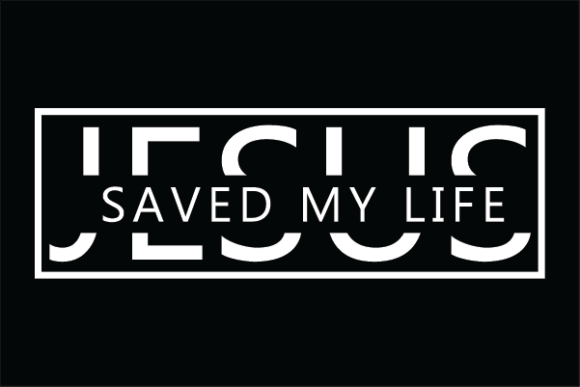
Reviewing T Shirt Design for Real Embroidery Projects
As a designer who has spent countless hours digitizing and stitching out patterns, I approach every new asset with a critical eye. It is not just about whether a graphic looks good on a screen; it is about how it translates to thread, fabric, and tension. Recently, I evaluated T Shirt Design, a digital asset package that promises versatility for both print and stitch applications. My goal was to determine if this collection holds up under the scrutiny of real-world production, specifically for small business owners and crafters who cannot afford costly mistakes on client projects.
First Impressions and Visual Personality
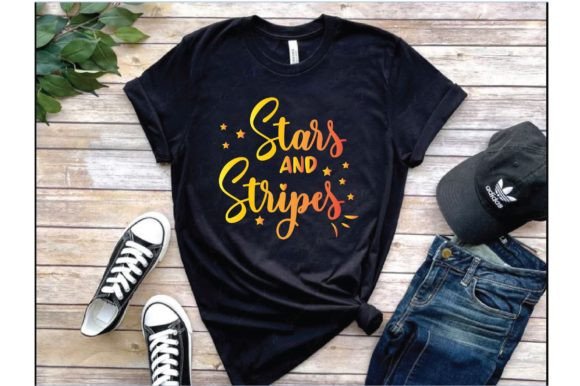
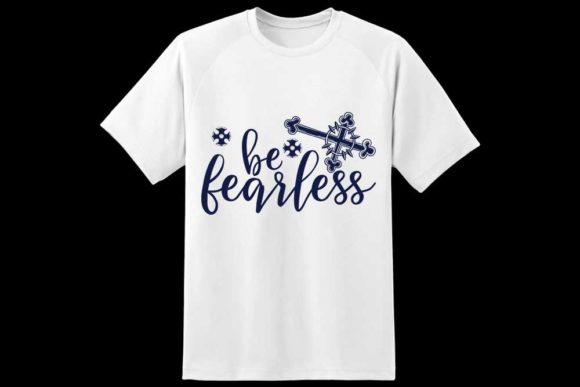
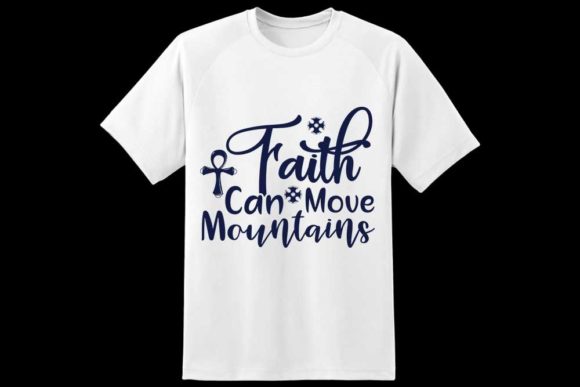
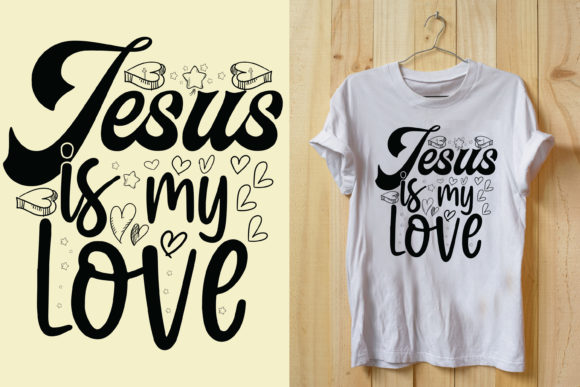
When I first extracted the ZIP file using WinZIP, as instructed, I was greeted by a comprehensive suite of formats: 10 EPS files, SVG, high-resolution PNGs at 300 dpi, PDF, and AI files. This variety suggests the creator understands the diverse needs of modern makers. However, my focus was strictly on the visual structure of the graphics within these files. The mood of T Shirt Design feels contemporary yet adaptable. The shapes are clean, and the layout avoids unnecessary clutter, which is a crucial trait for any design intended for embroidery.
The detail level strikes a balance between artistic expression and technical feasibility. For an embroidery designer, this is vital. Overly complex gradients or microscopic details often turn into a tangled mess of thread breaks and puckering. This design maintains a visual personality that is bold enough to be recognized from a distance but refined enough to look professional up close. It does not scream for attention with chaotic elements; instead, it offers a structured aesthetic that fits naturally into boutique branding and personalized gifts.
Real-World Application: The Custom Sweatshirt Test
To truly test the viability of T Shirt Design, I simulated a common client request: a custom embroidered sweatshirt for a local boutique. The client wanted a chest logo that felt premium but not overpowering. Using the vector files provided, I assessed how the lines would convert into stitch paths. The design’s inherent simplicity meant it could easily be adapted into a satin stitch border with a fill stitch interior, or kept as a sleek running stitch outline for a minimalist look.
In this scenario, the design performed well conceptually. It sat comfortably within standard hoop sizes, allowing for placement flexibility. Whether centered on the chest or positioned on the sleeve, the proportions remained balanced. For Etsy sellers and handmade shop owners, this adaptability is a significant selling point. A design that works equally well on a heavy fleece sweatshirt and a lighter cotton tote bag reduces the need for multiple specialized assets, streamlining the workflow for busy creative entrepreneurs.
Navigating Fabric and Stitch Challenges
While the design is strong, practical experience dictates caution in specific areas. When working with textured fabrics like terry cloth towels or thick fleece, the finer details of any graphic can get lost. I recommend testing T Shirt Design on scrap fabric first to gauge how the stitch density interacts with the material. If the original graphic has thin lines, you may need to adjust your digitizing software to ensure the running stitch does not disappear into the nap of the fabric.
Dark fabrics present another challenge. The design’s clarity relies on contrast. If you are stitching white thread on black cotton, the visual appeal remains high. However, if you choose low-contrast thread colors, the definition may suffer. Always check thread color contrast before committing to the final product. Additionally, for stretchy fabrics like jersey knits used in t-shirts, proper stabilizer usage is non-negotiable. Without adequate backing, even a well-balanced design can cause puckering, ruining the professional finish of your handmade product.
Commercial Viability and Brand Consistency
For commercial embroidery projects, consistency is key. Buyers engage with products that look intentional and polished. T Shirt Design supports this by offering a clean aesthetic that enhances brand recognition. Whether used for aprons in a coffee shop, patches on denim jackets, or pillow covers in a nursery, the design maintains its integrity. It does not look like a generic clipart addition; it feels like a deliberate part of the garment’s identity.
This sense of professionalism builds customer trust. When a buyer receives a personalized gift or a boutique item with crisp, well-executed embroidery, they perceive higher value. The design’s ability to scale without losing clarity—thanks to the included vector formats like EPS and AI—means you can create printable mockups for your online store that accurately represent the final stitched product. This transparency helps manage customer expectations and reduces return rates.
Practical Notes for the Embroidery Designer
Before integrating T Shirt Design into your regular rotation of T-Shirt Designs and Graphics, consider these practical steps:
- Check Licensing: While the files are provided for high-quality print and digital use, always confirm the specific license terms for commercial embroidery sales. Ensure you have the right to sell finished items or digital embroidery files derived from these assets.
- Test Hoop Sizes: Verify that the design fits your machine’s maximum hoop size. While it appears scalable, extremely large enlargements may require re-digitizing to maintain stitch quality.
- Inspect Small Details: Zoom in on the AI or EPS files. Look for tiny corners or isolated elements that might cause needle hits or thread breaks during stitching.
- Mockup in Black and White: Remove color from your preview to check the structural balance. If the design holds up in grayscale, it will likely work well with any thread color palette.
- Fabric Compatibility: Avoid using this design on very thin or slippery fabrics without extensive stabilization and testing. It is best suited for medium to heavy-weight materials like cotton, denim, and fleece.
Final Verdict for Craft Businesses
In the world of small shop products and craft fair merchandise, efficiency and quality go hand in hand. T Shirt Design offers a solid foundation for creators looking to expand their catalog of embroidered patches, baby embroidery items, or holiday embroidery gifts. It is not just a graphic; it is a tool that, when used with skill and proper preparation, can elevate the perceived value of your work.
For the hobbyist, it provides a forgiving canvas to practice stitch techniques. For the professional apparel decorator, it offers a reliable asset that respects the limitations of the machine while maximizing visual impact. By approaching this design with a mindset of practical judgment—testing on scraps, choosing the right stabilizer, and respecting fabric textures—you can transform these digital assets into tangible, profitable finished products. It is a worthy addition to your library of design assets, provided you take the time to understand its behavior under the needle.